Introducing the Intricacies of Layout and Production at a Metal Foundry
The layout and manufacturing procedures at a metal foundry involve a series of complex steps. Each phase, from picking basic materials to melting and spreading, plays a crucial function in the final item. Metal Casting. Precision and high quality control are paramount in this market. As innovation advances, brand-new innovations are arising. These developments might redefine standard practices. What ramifications do these adjustments hold for the future of steel factories?
The Melting Process: Transforming Raw Products Into Fluid Metal
The melting procedure works as the crucial initial step in changing raw products into liquid steel, a treatment necessary for foundry procedures. This phase starts with the careful option of steels, which might include aluminum, iron, or copper, relying on the preferred end product. Each material is examined for purity and structure to assure excellent melting problems.
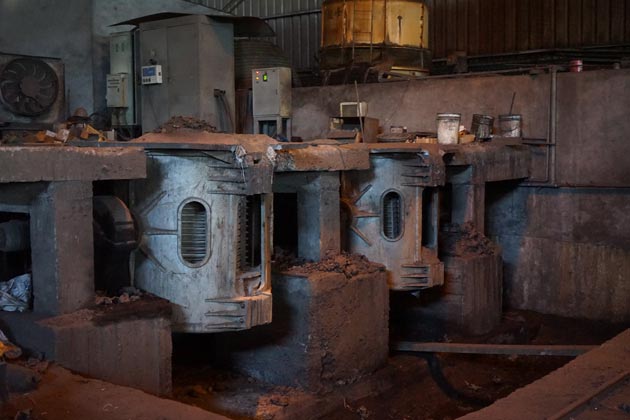
As the metals reach their melting factor, they transform from solid to fluid, permitting more improvement. This procedure can likewise include the removal of impurities through slag formation, ensuring the high quality of the fluid metal. Ultimately, the effective conclusion of the melting process lays the foundation for subsequent metalworking procedures.
Molding Methods: Shaping Metal With Accuracy
Following the melting procedure, the following phase in metal foundry operations includes molding techniques that form the liquid metal right into desired types. Various techniques are used, each picked based upon the specific demands of the project. Sand spreading, one of one of the most typical methods, utilizes a mix of sand and binder to produce molds that can be quickly formed and recycled. One more technique, investment casting, entails developing a wax pattern that is coated in a ceramic covering, permitting intricate designs and high precision.
Die spreading, on the other hand, makes use of high-pressure to infuse liquified metal right into steel molds, leading to consistent and long lasting products. Furthermore, the selection of molding technique impacts the cooling rate, surface coating, and dimensional accuracy of the last product. Subsequently, understanding these methods is vital for enhancing style and guaranteeing the successful production of steel elements tailored to certain applications.
Casting Techniques: From Prototype to Manufacturing
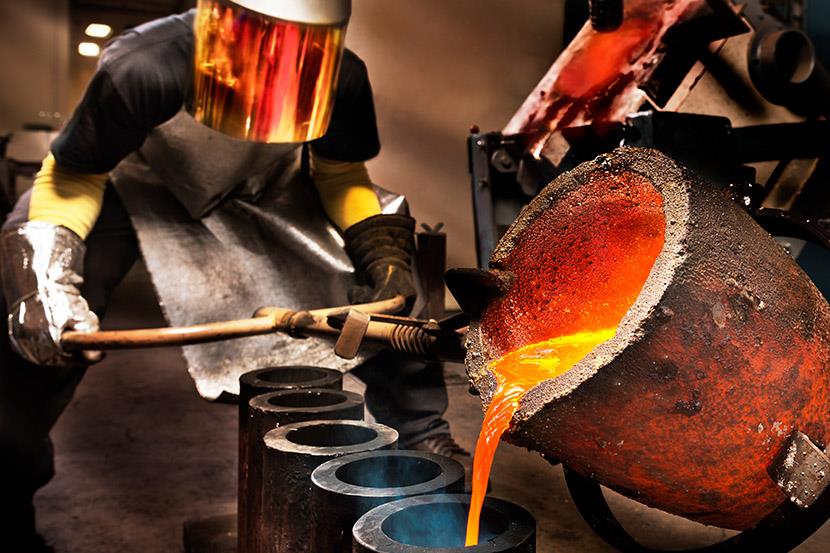
Countless spreading approaches are used in metal shops to shift from prototype advancement to major production. Amongst these approaches, sand casting sticks out for its flexibility and cost-effectiveness, making it ideal for both huge and tiny manufacturing runs. Investment casting, known for its accuracy, is frequently used for complex geometries, permitting for fine information in the final product. Die spreading, suitable for high-volume manufacturing, makes use of molten steel injected right into molds, supplying excellent surface area finish and dimensional precision.
Quality Assurance: Making Certain Quality in Every Pour
While the casting process can differ considerably in between techniques, preserving strenuous quality assurance is vital to establish that every pour satisfies the needed criteria. Quality control in a metal foundry encompasses a series of organized checks and assessments designed to determine Aluminum Casting defects early in the manufacturing process. This consists of meticulous assessments of basic materials, monitoring of melting temperature levels, and assessments of mold stability.
Foundry workers use different screening techniques, such as non-destructive testing and dimensional verification, to establish that spreadings achieve preferred specifications. Furthermore, adherence to established industry standards and certifications boosts the reliability of the last product.
Responses loops are likewise essential; any discrepancies noted throughout top quality assessments are examined to improve processes and reduce future errors. Ultimately, a culture of high quality guarantee fosters not only client fulfillment however additionally a credibility for quality in the affordable landscape of steel manufacturing.
Developments and Technologies: The Future of Metal Foundries
The landscape of steel factories is swiftly developing, driven by advancements in innovation and ingenious methods. Automation and robotics are transforming typical process, enhancing performance and precision during manufacturing. Automated pouring systems and robotic arms lower human error, leading to better outcomes. Additionally, the combination of expert system is making it possible for predictive maintenance, maximizing equipment performance, and reducing downtime.
Additive production is emerging as a game-changer, permitting quick prototyping and the production of intricate geometries that were previously unattainable. This modern technology facilitates the modification of metal parts, catering to specific client requirements without considerable dead time.
Sustainability is also a vital emphasis, with foundries adopting greener practices, such as recycling scrap steel and making use of energy-efficient heating systems. These technologies not only boost efficiency yet likewise straighten with global initiatives in the direction of environmentally liable manufacturing, making sure the future of steel factories stays competitive and durable in an altering industrial landscape.
Regularly Asked Inquiries
What Kinds of Metals Are Generally Made Use Of in Shops?
Usual steels made use of in foundries consist of aluminum, cast iron, bronze, steel, and brass (Aluminum Casting). Each steel has special homes, making them suitable for numerous applications in markets like automobile, aerospace, and building and construction, amongst others
Just How Do Shops Handle Waste and Environmental Effect?
Shops take care of waste and environmental impact by applying recycling programs, making use of advanced purification systems, and sticking to strict regulative standards. They frequently spend in lasting modern technologies to lower discharges and advertise liable source usage throughout their procedures.
What Security Steps Are in Location for Employees?
Factories execute various precaution for workers, consisting of personal protective devices, correct air flow systems, normal safety training, emergency situation feedback procedures, and rigorous adherence to work-related health regulations to reduce threats connected with dangerous materials and devices.
The length of time Does the Whole Manufacturing Process Usually Take?
The entire manufacturing process commonly takes several weeks, relying on the complexity of the layout and the products used. Variables such as mold preparation, melting, and cooling time considerably affect the total period of manufacturing.
What Are the Key Challenges Dealt With by Metal Foundries Today?
Metal shops today deal with challenges such as climbing material expenses, rising and fall need, ecological regulations, knowledgeable labor shortages, and preserving quality assurance. These issues complicate production effectiveness and profitability in an increasingly open market.
The design and production procedures at a metal foundry include a collection of intricate steps. The melting procedure serves as the essential first action in changing raw materials right into liquid metal, a treatment important for foundry operations. Complying with the melting procedure, the next phase in metal foundry procedures includes molding methods that form the liquid steel into desired types. Various spreading approaches are employed in metal shops to change from model advancement to full-blown production. Quality control in a metal foundry encompasses a collection of organized checks and examinations designed to determine flaws early in the production procedure.
Comments on “The ultimate guide to sustainability practices in the Metal Foundry industry”